

What Safety Standards Should Emergency Tree Removal Companies Follow?
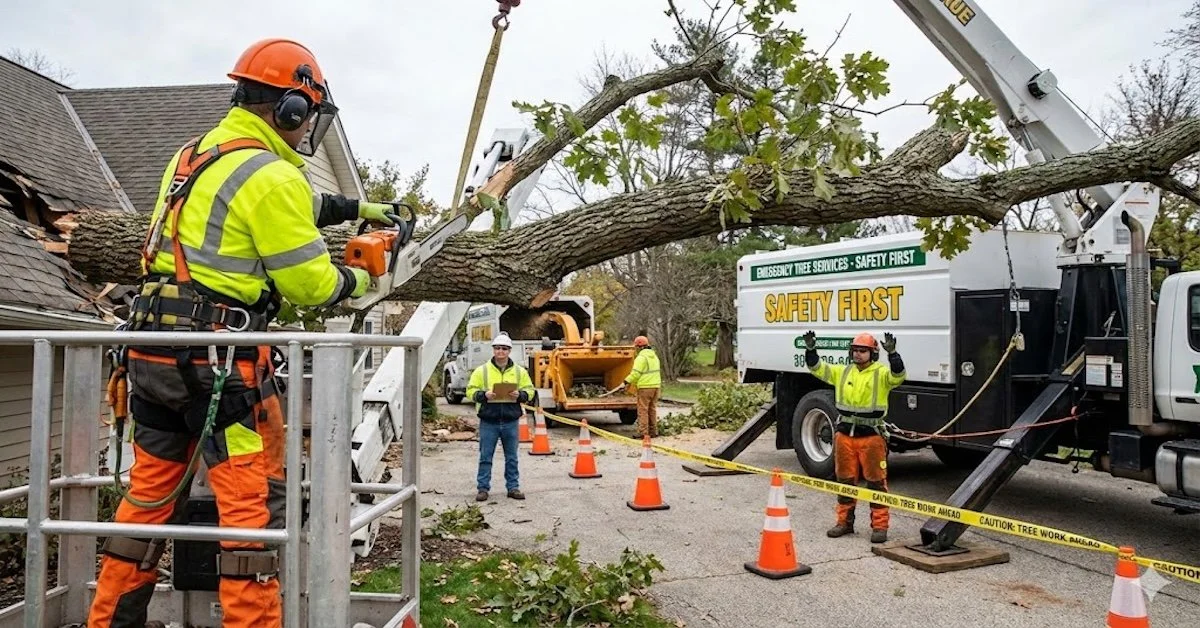
Emergency tree removal is very different from routine tree work. Storm damage, fallen limbs, leaning trunks, and uprooted trees all create unpredictable and dangerous situations. Homeowners often call for emergency service when a tree threatens a home, blocks a driveway, or rests against a power line. Because the risks are high, emergency tree removal must be performed with strict safety standards. These standards protect the crew, the property, and the homeowners who rely on professional help in urgent situations.
Not all tree removals follow the same conditions. Weather, soil saturation, and structural damage can change the way a tree responds to cutting. That is why trained professionals follow specific guidelines and use specialized equipment to ensure safe and controlled removal. Understanding these safety standards helps homeowners know what to expect when calling for emergency service.
Quick answer: Emergency tree removal companies should follow strict safety standards that include professional training, proper equipment, hazard assessments, insurance compliance, and controlled cutting techniques to protect people and property during high risk situations.
Why Emergency Tree Removal Requires Strict Safety Measures
Emergency situations often involve unstable trees that can move or collapse unexpectedly. Storms can break limbs, twist branches, loosen roots, or cause entire trees to lean. These conditions make the tree unpredictable. Only trained professionals with experience in high risk environments can safely evaluate how to approach the removal.
Another challenge is limited visibility. Fallen trees may be tangled in debris, resting on structures, or pressing against wires. These conditions require careful judgment, and safety standards help ensure every step is done with precision. Without strict guidelines, the risks of injury and property damage increase dramatically.
Professional crews undergo training in hazard awareness, climbing safety, rigging systems, and emergency response procedures. These skills help them manage unstable trees and work safely in difficult conditions.
How Professionals Assess the Site Before Removal
A proper assessment is the first and most important step in emergency tree removal. The crew examines the tree’s position, its structural stability, and the surroundings. They also identify power lines, broken branches, and tension points where the tree may shift during cutting.
Weather conditions matter too. Strong winds, lightning, or heavy rain can make the site more dangerous. Soil stability is checked as well. Saturated soil can cause trees to slide or roll unexpectedly after cuts are made.
Professionals always locate escape paths before beginning any removal work. These paths allow climbers and ground workers to move away quickly if the tree shifts or breaks. A full assessment ensures every risk is identified and addressed before tools are used.
Safety Equipment Used for Emergency Tree Removal
Protective gear is essential for every emergency removal job. Workers wear helmets, protective glasses, gloves, boots, and chainsaw resistant clothing. This gear protects them from falling debris, cuts, and unexpected contact with branches.
Climbers use ropes, saddles, and harnesses designed for tree work, not general climbing. Ground crews use rigging equipment, pulleys, and lowering devices to control the descent of heavy branches. Chainsaws, pole saws, and cutting tools are checked before use to ensure they work safely and efficiently.
Some emergency situations require heavy machinery such as cranes or bucket trucks. These tools help remove trees that cannot be safely accessed from the ground or by climbing. Professionals are trained to operate this equipment and follow strict rules when using it near homes or power lines.
Safe Cutting Techniques Used During Emergency Removal
Emergency tree removal is usually done in sections to minimize risk. Instead of dropping large branches all at once, crews cut smaller pieces and lower them carefully using ropes and pulleys. This controlled approach protects the home and prevents branches from swinging dangerously.
When dealing with a split or partially broken limb, professionals cut strategically to release pressure safely. Trees under stress can behave unpredictably, and improper cuts can cause branches to snap violently. Experienced arborists understand how to manage these pressure points and avoid sudden movement.
Communication between team members is another safety standard. Crew leaders direct each step, ensuring climbers and ground workers move together and stay aware of the surroundings. Clear communication helps prevent accidents and keeps the job moving smoothly.
Insurance and Certification Requirements
Emergency tree removal companies should carry proper insurance to protect both the workers and the homeowner. Liability insurance covers accidental damage to property, while workers’ compensation protects employees if an injury occurs. Homeowners should always verify that the company is insured before agreeing to the job.
Certification is also important. Professional arborists with recognized training follow industry standards that prioritize safety. Certified crews understand the latest techniques, equipment, and hazard prevention methods.
Conclusion
Emergency tree removal demands skill, preparation, and strict safety standards. From thorough site assessment to proper gear, controlled cutting, and professional training, each step is designed to reduce risk and protect your property. When handled by qualified experts, even the most dangerous tree situations can be resolved safely and efficiently.
If you need emergency tree removal you can trust, Sawvell Tree Service provides fast, safe, and professional help. Their experienced team follows industry leading safety standards to protect your home and ensure every job is completed with care and precision.