

What Is Crown Reduction and When Is It Recommended?
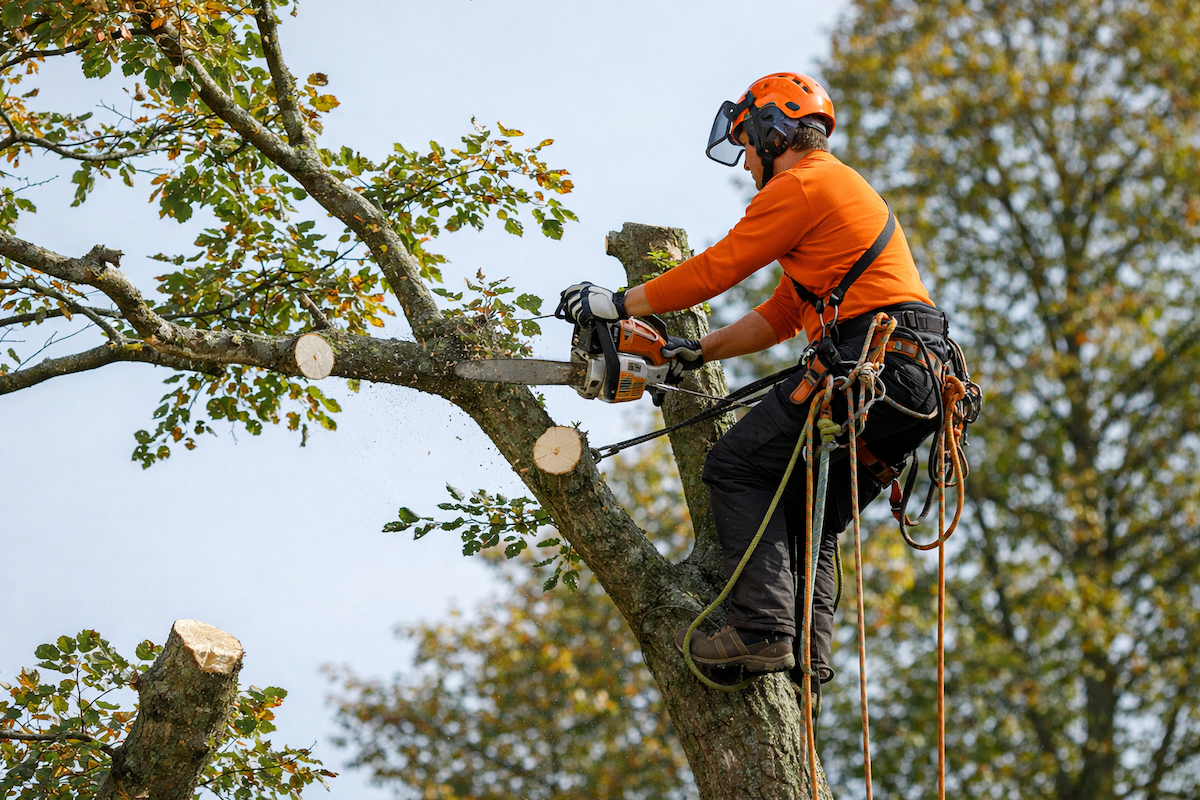
Most homeowners notice when a tree has grown too large for its surroundings before they know what to do about it. Branches encroach on the roofline, the canopy blocks light that used to reach the garden, and the sheer size of the tree starts to feel like a liability rather than an asset. The instinct is to cut it back significantly, but the method used matters enormously for the long-term health and safety of the tree.
Crown reduction is a specific pruning technique that is often misunderstood or confused with more damaging practices. It is not about hacking the tree down to a manageable stump of its former self. Done correctly, it is a precise, considered operation that reduces the overall size of the canopy while preserving the tree's natural shape and structural integrity. Understanding what it actually involves helps homeowners make better decisions about when to request it and who should carry it out.
Quick Answer: Crown reduction is a pruning technique that reduces the overall height and spread of a tree's canopy by selectively cutting branches back to suitable lateral growth points. It is recommended when a tree has grown too large for its space, when branches pose a risk to nearby structures or power lines, when storm damage has left the crown unbalanced, or when a tree needs to be lightened to reduce the risk of failure in wind. It should always be performed by a qualified arborist, not through topping or indiscriminate cutting.
How Crown Reduction Differs From Tree Topping
The most important distinction in this area is between crown reduction and tree topping, a practice that is widely condemned by arborists and tree care organisations. Topping involves cutting branches back to stubs without regard for where natural regrowth will occur. It leaves large wounds that the tree cannot close effectively, creates entry points for disease and decay, and triggers the growth of multiple weak shoots from each cut point that are structurally inferior to the original branch structure.
Crown reduction, by contrast, makes cuts at lateral branch junctions, meaning the cut is made where one branch meets another that is growing in a suitable direction. This respects the tree's natural growth pattern, allows the tree to close the wound over time, and maintains a canopy that still has its essential form. The tree looks smaller after the work but still looks like a tree rather than a mutilated remnant.
This distinction matters practically because a tree that has been topped will typically regenerate aggressively and unevenly, requiring more frequent intervention and presenting greater structural risk over time. A tree that has been properly crown-reduced tends to grow more slowly in the reduced area and maintains its structural quality for longer.
When Is Crown Reduction the Right Recommendation
Crown reduction is not a routine maintenance procedure applied to all large trees. It is a targeted intervention recommended in specific circumstances where the size or shape of the canopy is creating a genuine problem that cannot be addressed through lighter pruning.
The most common situation is a tree that has grown into or significantly close to a structure. Branches rubbing against a roofline or overhanging gutters create damage risks that need to be addressed, and reducing the crown on the side nearest the building is often the most practical and least invasive solution. Similarly, if a tree's canopy has grown to shade a garden so completely that nothing useful can grow beneath it, reducing the crown can restore enough light to make the space functional again.
Safety concerns after storm damage are another common trigger. A tree that has lost major branches asymmetrically can be significantly unbalanced, placing undue stress on the remaining structure. Reducing the remaining crown to rebalance the load distribution can extend the tree's life considerably. How regular trimming prevents storm damage is related context that explains why proactive crown management reduces long-term risk.
Mature trees on smaller urban or suburban plots sometimes simply outgrow their setting. A tree that was perfectly sized when planted thirty years ago may now dominate the garden in a way that affects enjoyment and creates risk. Crown reduction gives the option of retaining a mature, established tree rather than removing it entirely, which is generally the more desirable outcome for both the property and the broader environment.
How Crown Reduction Should Be Performed
The execution of crown reduction requires knowledge of tree biology and pruning mechanics that goes beyond general tree-cutting skills. Knowing where to make each cut, how much to remove from any single branch, and how to sequence the work to maintain structural balance throughout the process are all skills that come from training and experience. When to use a certified arborist rather than a general cutter is directly relevant here, because crown reduction done incorrectly causes lasting harm.
The general principle is that no more than 25 to 30 percent of the live crown should be removed in a single season. Removing more than this puts significant stress on the tree, reducing its ability to photosynthesize and recover from the pruning wounds. In practice, a well-executed crown reduction often looks less dramatic immediately after the work than homeowners expect, because the arborist is constrained by what is safe to remove without compromising the tree's health.
There are also practical limits on how high branches can be safely cut while still leaving adequate lateral growth. Safe trimming heights for trees gives useful context on the limitations that govern how much reduction is actually achievable in a single visit.
What to Expect After Crown Reduction
A tree that has been properly crown-reduced will look noticeably smaller and lighter immediately after the work. The canopy will be more open, allowing more light through. For the first growing season following the work, the tree will typically produce vigorous new growth as it responds to the pruning stimulus, and this growth will gradually fill the crown back toward its new, reduced boundaries.
Monitoring how the tree recovers over the following seasons is worthwhile. If the regrowth is producing crossing or congested branches, a light follow-up pruning session can keep the crown well-structured going forward. How often to schedule pruning depends on the species, age, and growth rate, but most trees benefit from an assessment every two to three years after crown reduction.
Trees under stress from drought, disease, or pest activity may not recover as well from crown reduction as healthy specimens. In these cases, an arborist may recommend addressing the underlying health issue before proceeding with structural pruning. The goal is always to leave the tree in better overall condition than it was found.
Frequently Asked Questions
Is crown reduction the same as pollarding?
No. Pollarding is a traditional management technique that involves cutting back to a fixed set of points on the branch framework each year, creating a distinctive knobbly structure over time. Crown reduction is a more naturalistic approach that preserves the tree's form by cutting to lateral branches rather than fixed stubs. Pollarding is best reserved for trees that were managed this way from a young age.
Will crown reduction damage my tree?
When performed correctly by a qualified arborist, crown reduction causes manageable short-term stress that a healthy tree can recover from well. The key is not removing too much at once, making cuts at the right points, and timing the work appropriately for the species. Crown reduction done poorly, or through topping, can cause lasting structural and health problems.
How long does crown reduction take?
This depends heavily on the size of the tree, its location, and how much reduction is being carried out. A medium-sized garden tree might take half a day for a two-person crew. A large or awkwardly positioned tree can take a full day or more, particularly if rigging equipment is needed to safely remove sections of the crown.
Can I request crown reduction on a protected tree?
In many areas, trees above a certain size or in designated conservation zones require permission before any significant work is carried out. Your arborist should be familiar with local regulations and can advise on whether an application is needed. Carrying out unauthorised work on protected trees can result in significant fines.
How often does a tree need crown reduction?
Most trees that have been properly crown-reduced can go three to five years before the work needs to be repeated, depending on the species and how vigorously the tree grows. Fast-growing species may need attention sooner. Your arborist can give a species-specific estimate after the initial work.
The Bottom Line
Crown reduction is a valuable tool when a tree has genuinely outgrown its space or when its structure needs rebalancing for safety reasons. The outcome depends entirely on the skill and knowledge of the person doing the work, which is why choosing a qualified arborist matters.
Sawvell Tree Service provides professional tree trimming and crown reduction services across the North Shore and surrounding areas. If you have a tree that is getting too large or needs structural attention, reach out for an assessment.