

Can Regular Tree Trimming Prevent Storm Damage?
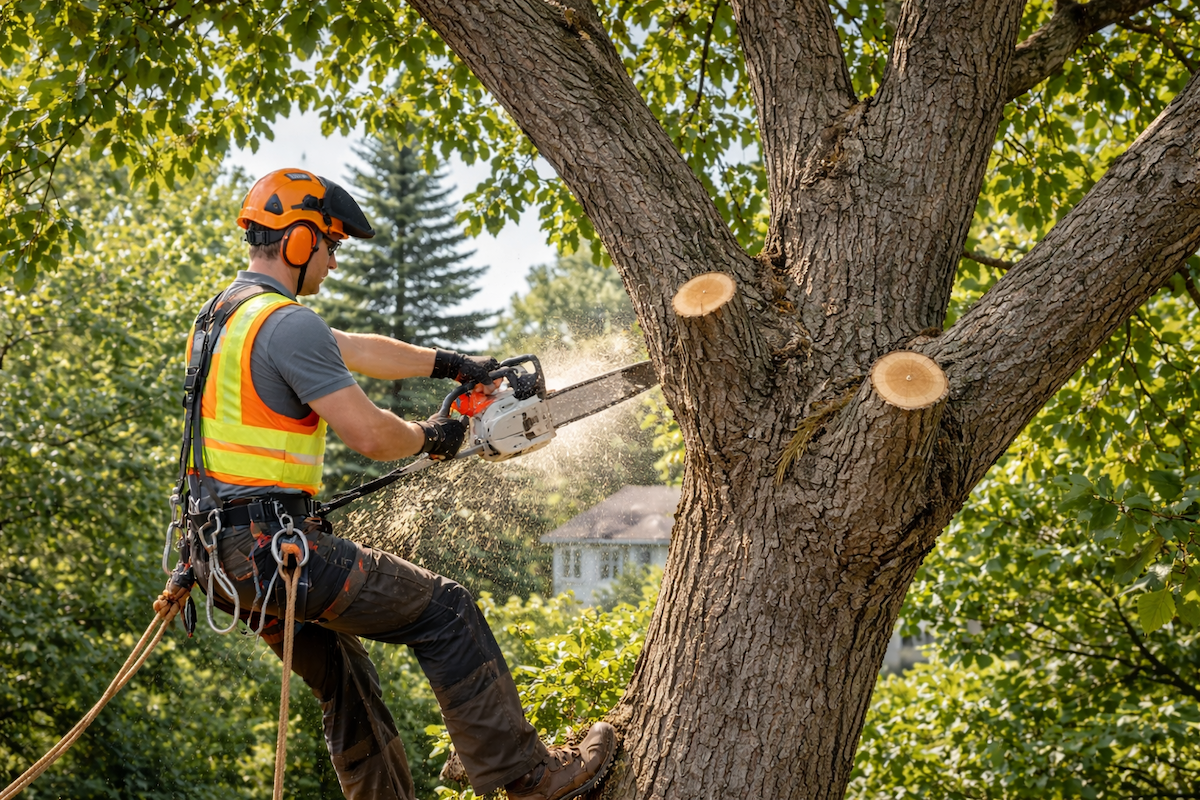
Trees add beauty, shade, and environmental value to any property, but they can also become a safety concern during severe weather. Strong winds, heavy rain, and storms can place significant stress on tree branches and trunks. When trees are not properly maintained, weak or overgrown limbs may break and cause damage to homes, vehicles, power lines, or other structures. For this reason, many homeowners wonder whether routine tree trimming can help reduce the risk of storm damage.
Regular tree trimming is an important part of responsible tree maintenance. By removing weak, dead, or overcrowded branches, trimming allows trees to grow in a healthier and more balanced way. A well-maintained tree is often stronger and better able to withstand high winds and heavy weather conditions.
Quick Answer: Yes, regular tree trimming can help prevent storm damage by removing weak or dead branches, improving tree structure, and reducing wind resistance. Proper pruning strengthens the tree and lowers the risk of falling limbs during severe weather.
Why Trees Become Vulnerable During Storms
Storms place extreme stress on trees because wind and rain create pressure on branches and trunks. When wind pushes against a tree’s canopy, it can cause branches to sway or twist. If branches are weak or poorly attached, they may snap under pressure.
Several factors can increase the likelihood of storm damage. Trees that have grown unevenly or have heavy limbs on one side may be more vulnerable to wind stress. Dead branches or decaying wood also weaken the structure of the tree and increase the risk of breakage.
Overgrown trees with dense canopies can catch more wind during storms. When too many branches are crowded together, the tree acts like a sail, making it harder for wind to pass through. This increases the force placed on the trunk and root system.
How Regular Trimming Strengthens Trees
Regular tree trimming helps maintain a balanced structure that supports long-term tree health. By removing unnecessary or weak growth, trimming allows the tree to focus energy on stronger branches.
Professional pruning improves tree stability in several ways. First, it removes dead or diseased limbs that could break during storms. Second, it encourages healthy branch development that can support the tree’s overall structure.
Trimming also reduces the overall weight of large branches. When branches are lighter and properly spaced, they are less likely to snap during high winds.
Reducing Wind Resistance Through Proper Pruning
One of the key benefits of tree trimming is reducing wind resistance. When trees have extremely dense canopies, strong winds can push against the leaves and branches with greater force.
Selective pruning helps thin the canopy so wind can pass through more easily. This process reduces pressure on the tree and allows branches to move naturally without breaking.
Professional arborists often focus on removing crossing branches and excess interior growth. This improves airflow through the canopy while maintaining the tree’s natural shape.
Removing Hazardous Branches Before Storm Season
Storm damage often occurs when weak branches fall unexpectedly. Dead wood, cracked limbs, and hanging branches can become serious hazards when strong winds arrive.
Routine inspections and trimming allow homeowners to remove these risks before storms occur. Identifying dangerous branches early prevents them from becoming projectiles during severe weather.
Common branches that should be removed include:
Dead or dying limbs
Branches growing toward structures
Cracked or partially broken limbs
Branches rubbing against each other
Addressing these issues early can significantly reduce the likelihood of storm damage.
The Importance of Professional Tree Trimming
While some small pruning tasks can be performed by homeowners, large trees require professional expertise. Improper trimming can actually weaken a tree and make it more vulnerable to storms.
Professional tree services use specialized techniques that support healthy growth while maintaining structural integrity. Trained professionals understand how much of a tree can be safely trimmed without causing long-term damage.
They also have the equipment and safety training needed to handle tall trees and difficult locations.
When Trees Should Be Trimmed
Timing plays an important role in tree maintenance. While trimming can occur at different times depending on the species, many experts recommend routine inspections and pruning before storm seasons begin.
Late winter and early spring are often ideal times for pruning because trees are dormant and easier to shape. However, removing hazardous branches should not wait if they pose immediate risks.
Regular maintenance every few years helps keep trees strong and balanced.
Frequently Asked Questions
How often should trees be trimmed to prevent storm damage?
Most trees benefit from trimming every three to five years, although some fast-growing species may require more frequent maintenance. Regular inspections can help determine when pruning is needed.
Can trimming damage a tree if done incorrectly?
Yes, improper trimming techniques such as excessive pruning or cutting in the wrong locations can weaken the tree. This is why professional tree care is recommended for larger trees.
Does trimming help prevent trees from falling?
Trimming helps reduce weight and improve structural balance, which can lower the risk of falling branches. However, tree stability also depends on root health and soil conditions.
Should trees be trimmed before hurricane or storm season?
Yes, preventative trimming before storm season can help remove hazardous limbs and reduce wind resistance, improving the tree’s ability to withstand severe weather.
Conclusion
Regular tree trimming plays a crucial role in reducing storm damage and maintaining safe landscapes. By removing weak branches, improving canopy structure, and reducing wind resistance, trimming helps trees remain strong and balanced during severe weather.
Homeowners who invest in routine tree maintenance are less likely to experience falling limbs or property damage during storms. Maintaining healthy trees also improves the overall appearance and longevity of the landscape.
For professional tree trimming and storm preparation services, Sawvell Tree Service provides expert care designed to keep trees healthy, safe, and properly maintained.