

What Is the Safest Method for Cutting Tree Limbs Near Power Lines?
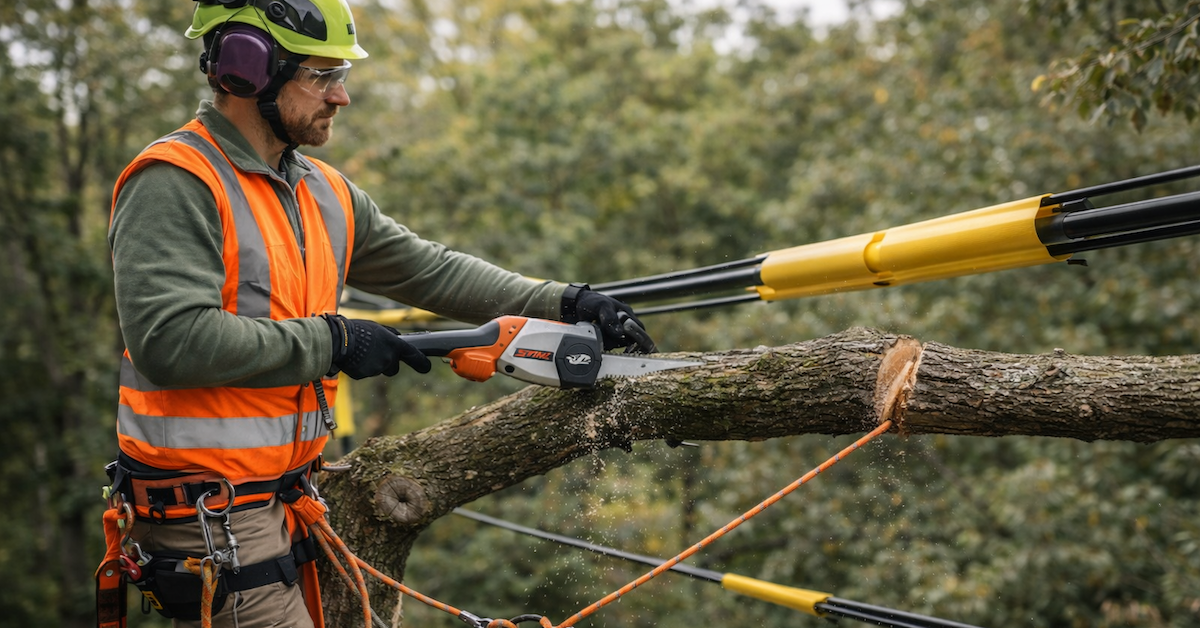
Tree limbs growing close to power lines create serious safety hazards. High winds, storms, or even natural branch movement can bring limbs into contact with electrical wires, leading to outages, fires, or dangerous electrical arcs. Because of these risks, cutting or trimming branches near power lines must be handled with extreme caution. Many homeowners are unaware of how dangerous this situation can be until an accident occurs.
Working around electricity requires specialized training, equipment, and strict safety procedures. Understanding the safest method for cutting limbs near power lines helps you avoid dangerous mistakes and ensures the work is handled correctly.
Quick Answer: The safest method for cutting tree limbs near power lines is to hire a certified professional who is trained and equipped to perform utility line clearance. Professionals follow strict safety protocols, use insulated tools, maintain required distance from energized lines, and coordinate with the utility company when necessary. Homeowners should never attempt to cut limbs near power lines on their own due to the risk of electrocution and serious injury.
Why Cutting Near Power Lines Is Extremely Dangerous
Power lines carry high voltage electricity that can travel through tools, ladders, tree branches, and even the ground. A branch does not need to touch the wire directly to create an electrical arc. In some cases, electricity can jump several inches or more.
Common risks include:
• Electrocution
• Fire hazards
• Power outages
• Falls caused by electrical shock
• Damage to the electrical grid
• Injury to anyone nearby
Because of these dangers, trimming around power lines must meet strict national safety standards that only trained professionals are qualified to follow.
Certified Line Clearance Arborists Are Required
Not all tree professionals are authorized to work near power lines. Only arborists with specialized training in electrical hazard awareness and utility clearance are allowed to trim branches that fall within certain distances of electrical lines.
These certified professionals understand:
• How electricity behaves in different conditions
• Which distances are required to stay safe
• How to use insulated equipment
• How to assess tree movement near live wires
• Proper techniques for lowering limbs safely
Their training ensures that the job is performed with minimal risk.
Maintaining Proper Clearance Zones
Power lines have specific safety zones, known as clearance distances, that must be maintained at all times. These distances vary depending on voltage and local or federal regulations.
A certified arborist determines:
• How close branches are allowed to be
• Whether the tree is encroaching on the minimum safe distance
• How much trimming is required to prevent future contact
• Which direction limbs should fall when cut
Cutting limbs without understanding clearance requirements can lead to serious hazards. Professionals ensure the space around power lines remains safe year round.
Using Specialized Equipment
Standard pruning tools are not safe for cutting branches near electrical lines. Professionals use equipment designed for utility work, which may include:
• Insulated pole saws
• Bucket trucks
• Rigging systems for controlled limb removal
• Ropes and harnesses rated for electrical environments
• Personal protective gear
Using the wrong tool can accidentally conduct electricity, making proper equipment essential for safe trimming.
Coordinating With the Utility Company
In many cases, the utility company may temporarily shut off power or provide guidance before major trimming takes place. Certified arborists know how to communicate with utility providers to ensure safe working conditions.
Coordination may be needed when:
• A large limb is touching a wire
• The tree is at immediate risk of falling
• Branches cannot be removed safely while the line is active
• The tree is significantly entangled in the wires
This collaboration helps protect workers, homeowners, and the electrical infrastructure.
Using Rigging Techniques to Control Limb Movement
Branches near power lines cannot simply be cut and allowed to fall naturally. Arborists use controlled rigging techniques to lower limbs safely and prevent accidental contact with wires.
These techniques include:
• Securing limbs with ropes
• Cutting limbs in small, manageable sections
• Lowering sections slowly instead of letting them drop
• Ensuring limbs fall away from electrical lines
Rigging allows precise control and minimizes the possibility of unexpected movement.
Assessing the Tree’s Condition Before Cutting
Trees with decay, cracks, or weak limbs behave unpredictably during trimming. Arborists inspect the tree carefully to understand its structural condition before beginning work.
They check:
• Branch stability
• Trunk strength
• Root health
• Lean angle
• Existing damage
This inspection helps determine the safest cutting approach and ensures that both the worker and the property remain protected.
Why Homeowners Should Never Attempt This Work
Even with experience in basic tree trimming, homeowners should not attempt to cut limbs near power lines. The risk of serious injury or death is extremely high. Without proper training and equipment, it is impossible to predict how electricity may travel through branches or tools.
In addition, performing unauthorized work near power lines may violate local regulations and could result in liability for property damage or outages.
Conclusion
Cutting tree limbs near power lines requires specialized training, equipment, and safety procedures. Certified line clearance arborists follow strict guidelines to prevent electrical hazards and ensure each cut is performed safely. They use insulated tools, maintain proper clearance zones, coordinate with utilities, and control limb movement with advanced rigging techniques. Homeowners should always rely on qualified professionals when trees grow too close to electrical lines.
Sawvell Tree Service provides safe, professional tree trimming services near power lines. Their certified team understands how to manage electrical hazards and ensure your property remains protected. When safety is a concern, their expertise delivers peace of mind and reliable results.