

How Often Should Mature Trees Be Inspected for Safety?
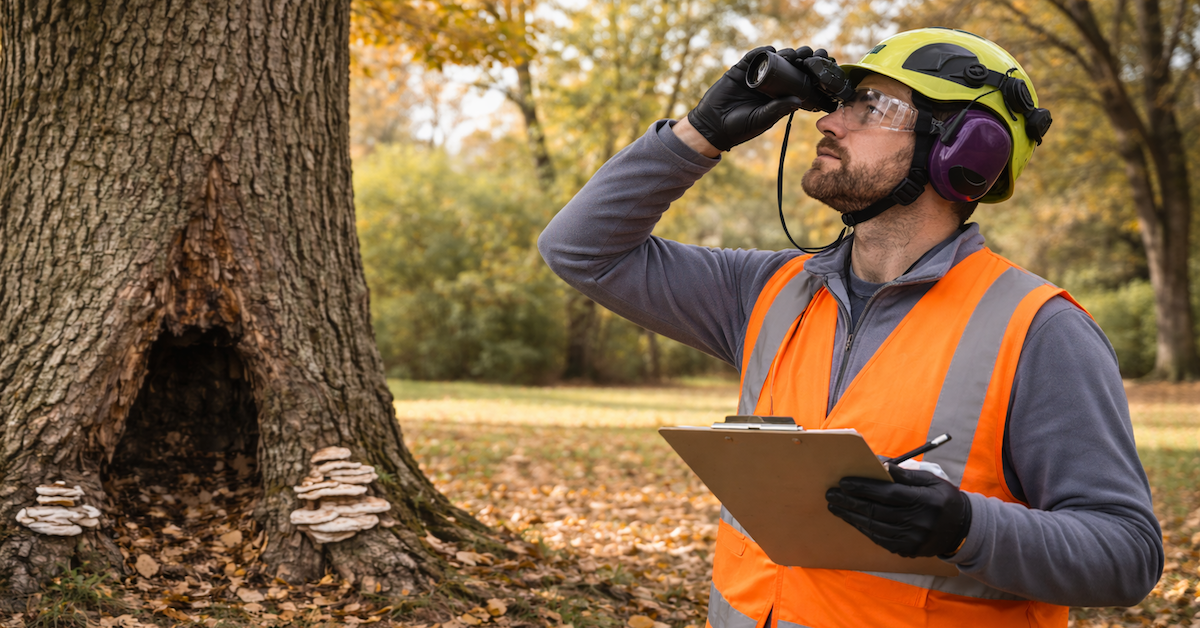
Mature trees add beauty, shade, and value to your property, but they also require regular attention to stay healthy and safe. As trees grow older, their structure changes, making them more vulnerable to decay, pests, storms, and internal weaknesses. Even a tree that appears strong can have hidden issues that are difficult to detect without a trained eye. Regular inspections are essential for preventing accidents and maintaining both tree health and property safety.
Understanding how often trees should be inspected helps homeowners stay ahead of potential hazards. With a consistent schedule, you can catch problems early, reduce risks, and extend the life of your trees.
Quick Answer: Most mature trees should be inspected at least once a year by a professional arborist, with additional inspections after major storms, construction activity, or noticeable changes in the tree’s appearance. Annual inspections help identify structural weaknesses, disease, decay, and safety hazards early, ensuring the tree remains stable and healthy. Older or high risk trees may require more frequent evaluations.
Why Mature Trees Need Regular Inspections
As trees age, they naturally experience slow internal changes. Wood can weaken, branches can become heavy, and roots may lose strength. These changes are not always visible from the outside. Because mature trees are larger and heavier, even small internal issues can lead to significant safety risks.
Regular inspections help detect:
• Internal decay
• Pest infestations
• Root problems
• Cracks or splits in the trunk
• Weak branch unions
• Changes in lean or balance
Without inspections, these hidden problems can progress unnoticed, increasing the likelihood of falling limbs or tree failure.
Annual Inspections Are the Standard Recommendation
For most homeowners, scheduling a professional tree inspection once a year is the ideal starting point. This allows an arborist to examine the canopy, trunk, roots, and surrounding soil for early warning signs of stress or decay. Annual inspections also help track gradual changes that may not be visible over short periods.
A yearly evaluation ensures the tree remains stable through changing weather and seasonal growth. This consistent schedule reduces the risk of unpredictable failure and helps homeowners plan for pruning, treatments, or maintenance before issues become urgent.
High Risk Trees May Need More Frequent Inspections
Not all mature trees follow the same inspection schedule. Some trees require more frequent attention due to their condition, environment, or structural concerns. A high risk tree may need inspections two or even three times a year.
Trees that may need closer monitoring include those:
• With visible cracks or cavities
• Leaning significantly to one side
• Growing near homes, garages, fences, or power lines
• Previously damaged by storms
• Showing signs of pests or disease
• With large, heavy branches over walkways or driveways
These trees pose a higher safety risk and should be evaluated more often to prevent accidents.
After Storms, Trees Should Be Inspected Immediately
Strong winds, ice storms, and heavy snowfall can cause sudden tree damage. Even if the tree appears fine, hidden cracks or root disturbances may have occurred. This makes post storm inspections crucial for mature trees.
Arborists look for:
• Broken or hanging limbs
• Newly formed cracks in the trunk
• Changes in the tree’s lean
• Soil upheaval around the roots
• Fallen branches that indicate deeper internal issues
Prompt inspection after severe weather prevents dangerous surprises later.
Construction Near Trees Requires Special Attention
Construction activity can significantly impact mature trees. Heavy equipment, soil compaction, excavation, and changes in water drainage can damage roots and stress the tree. These changes may not show effects for months or even years, which makes inspection essential both before and after construction.
Trees near construction zones may need:
• Multiple inspections during the project
• Root protection plans
• Monitoring for long term stress
• Adjustments to soil moisture or drainage
Without proper care, construction can weaken a mature tree and lead to decline.
Seasonal Changes Can Influence Inspection Timing
Different seasons reveal different tree health concerns. In spring and summer, leaf development and canopy fullness offer clues about water flow and nutrient balance. In fall and winter, the bare canopy makes structural issues easier to see.
Arborists often recommend:
• Spring inspections to evaluate new growth
• Fall inspections to check structural stability before winter storms
This seasonal approach provides a complete picture of the tree’s health throughout the year.
Visible Changes Mean It Is Time for an Immediate Evaluation
While annual inspections are standard, homeowners should schedule additional visits if they notice sudden changes. Warning signs include:
• Dead or dying branches
• Peeling or missing bark
• Mushrooms near the base
• Cracks in the trunk
• New leaning
• Unusual leaf loss
• Insect activity
• Branches falling without wind
These symptoms indicate the tree may be unsafe or experiencing rapid decline. Early evaluation helps prevent emergencies.
Professional Inspections Help Extend Tree Life
Regular inspections allow arborists to recommend treatments such as pruning, pest control, soil improvements, cabling, or bracing. These steps extend the lifespan of mature trees while reducing hazards. A proactive approach keeps your landscape healthier and more stable.
Arborists also provide valuable long term care plans based on the tree’s age, species, and environment.
Conclusion
Mature trees should be inspected at least once a year, with additional evaluations after storms, construction, or noticeable changes. Regular inspections help detect hidden decay, structural issues, and safety risks before they become serious problems. This consistent approach protects your property and gives your trees the best chance to thrive for many years.
Sawvell Tree Service offers professional tree inspections and expert guidance to keep your mature trees safe and healthy. Their team can evaluate your trees, identify risks, and recommend the right care to protect your home and landscape.