Let’s talk about Oak Wilt!
Oak Wilt in Northern Illinois: How to Spot the Signs Before It's Too Late
Few trees add as much beauty and value to a property as a mature oak. They provide shade, increase curb appeal, and can live for generations when properly cared for. Unfortunately, oak wilt is one of the most destructive diseases affecting oak trees throughout Northern Illinois, and it can spread quickly if left untreated.
If you own oak trees in Lake County, Cook County, or the surrounding North Shore communities, knowing the warning signs of oak wilt can help protect both your trees and your property.
What Is Oak Wilt?
Oak wilt is a fungal disease that disrupts a tree's ability to move water and nutrients. Once infected, the disease can spread rapidly through interconnected root systems or by insects that carry fungal spores from one oak tree to another.
Red oak species are especially vulnerable and may decline rapidly, while white oaks often progress more slowly and may survive if the disease is detected early.
Common Signs of Oak Wilt
Watch for these symptoms during the growing season:
Leaves turning brown from the edges inward while still attached to the tree
Premature leaf drop during spring or summer
Thinning canopy or sections of dead branches
Rapid decline in an otherwise healthy oak
Wilting leaves on the upper portions of the canopy
Branch dieback that spreads over time
These symptoms can resemble other tree problems, so a professional inspection is the best way to determine the cause.
Why Early Detection Matters
Oak wilt can spread quickly between neighboring oak trees through connected root systems. A single infected tree may eventually affect multiple trees on a property if action isn't taken.
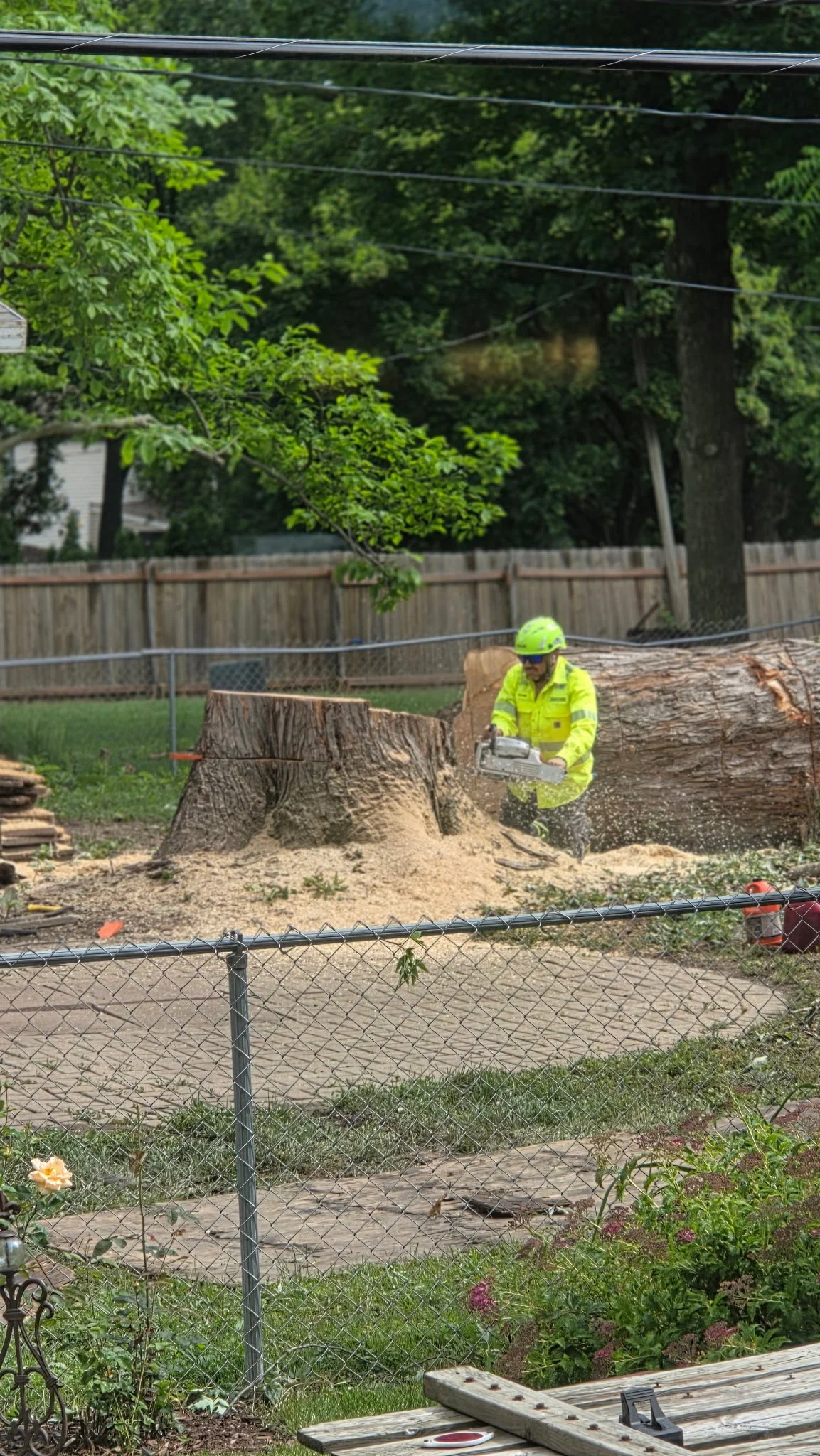
Early diagnosis may allow for treatment in certain situations, while severely affected trees may need to be removed to help reduce the spread and eliminate potential hazards.
Can Oak Wilt Be Treated?
Treatment depends on several factors, including:
The species of oak
The overall health of the tree
How advanced the infection is
Whether nearby trees have been affected
In some cases, preventative treatments may help protect healthy trees. Trees that have suffered extensive decline or become structurally unsafe are often better candidates for removal.
When Should Oak Trees Be Pruned?
One of the best ways to reduce the risk of oak wilt is to avoid unnecessary pruning during the growing season, when insects that spread the disease are most active. If pruning is necessary because of storm damage or safety concerns, proper pruning techniques and wound protection should be used when appropriate.
Routine pruning during the dormant season is often recommended for many oak trees, although every tree should be evaluated individually.
Protecting Your Property
Healthy, well-maintained trees are more likely to withstand environmental stress. Regular inspections, proper pruning, and prompt attention to signs of disease can help preserve valuable landscape trees and reduce the risk of unexpected branch or tree failure.
If you notice unusual leaf loss, dying branches, or rapid decline in one of your oak trees, don't wait until the problem becomes more serious.
Schedule a Professional Tree Evaluation
At Sawvell Tree Service, we help homeowners throughout Lake County, Cook County, and the surrounding North Shore communities evaluate declining oak trees and recommend the safest, most effective course of action. Whether your tree requires pruning, monitoring, treatment recommendations, or safe removal, our experienced team is here to help.
Contact Sawvell Tree Service today for a free estimate and let us help protect the health, safety, and beauty of your landscape.